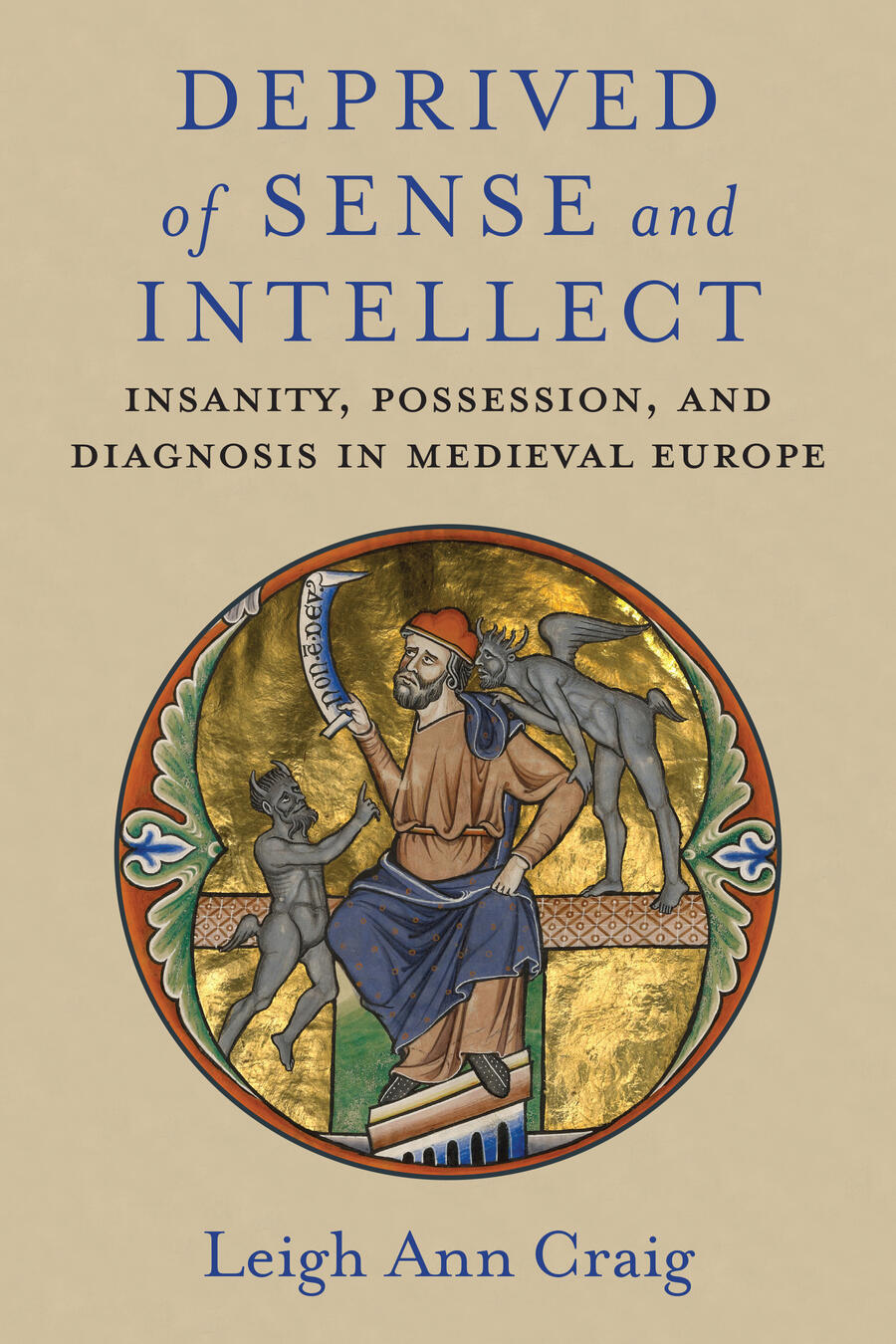
Despite my mostly gravitating towards light and fluffy books these days, I read two denser, nonfiction books lately that I wanted to share with you, dear readers. Charity and Sylvia looks at the day-to-day lives of two women who spent their adult lives living, working, and attending church together in early 19th-century Vermont. Deprived of Sense and Intellect is a study of medieval miracle stories of loss of mind and what we can learn from them about their attitudes then and ours today. Both of these were fascinating.
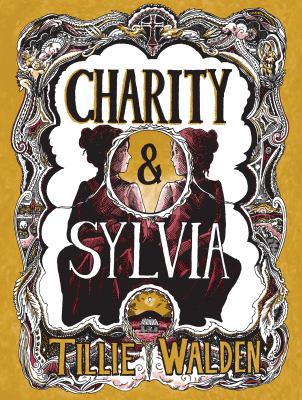
My first exposure to Tillie Walden was her Cybils-honoree debut book Spinning, and I’ve heard her books have only gotten better since then. I was excited to buy her latest book for the library’s Adult Graphic Novel collection – a graphic biography of two queer women in Vermont, who against all odds found love, lived openly together, ran a business, and were active members of their church. Walden, who herself lives in Vermont with her wife, takes the scraps of information left from their journals and letters and sews them into a patchwork history of their lives. It’s not so much a cohesive narrative as it is small stories of individual days that build up into months and years, filled with cooking, dinners with family members, their day-to-day work, as well as poetry, reflections on theology, and the occassional letter or visit to farther-flung friends. The panel layout reflects this, too, a steady three by four grid making up nearly all of the pages, reserving departures from this format for bigger discussions – reflections on their relationship after nine years, or the death of a beloved family member. The line art is sometimes left as it is, sometimes washed with color in shades of brown. This took closer reading than I’m used to in a graphic novel, but it was well worth it, the individual, almost uniform squares of ordinary lives adding up to the story of extraordinary women who didn’t know or care that they were making history. Notes at the end discuss some of the biggest changes she made to the story, and she has full notes on each page on her website for those who want to dig even further into history. I’ll note as well that it’s in the adult section because it’s slower-paced and about adults. There is nothing inappropriate for younger interested readers. It’s a labor of love that’s well worth reading.
Deprived of Sense and Intellect by Dr. Leigh Ann Craig. University of Michigan Press, 2026. ISBN 9780472133710. Copy lent by my mother.
More than 20 years ago now, my blogging journey began when I created a LiveJournal account to be able to read my dear friend’s locked posts. This year, my mother loaned me a copy of this friend’s new book. I thought to myself, “It’s been a long time since I’ve read anything scholarly, but I’ll just read the introduction to see what it’s about.” There was no introduction, so I just started reading, figuring I’d stop if I got bored or felt too much pressure about overdue library books. I did not get bored. The library books autorenewed. So now I am sharing this book with you, because I found it fascinating and I am so lucky to have such a brilliant friend.
In this book, Dr. Craig analyses 460 miracle narratives from the Middle Ages dealing with a loss of mind, whether it was described as demonic, natural, or unknown in origin. The goal is explicitly not to try to figure out how they would be diagnosed today, but to see what we can learn from them, especially looking through a modern disability studies lens. The stories, I learned, were told to make a case to the Vatican that the deceased person whose power miraculously cured the afflicted deserved sainthood. Therefore, they are precise and careful in their descriptions, giving as many facts as possible to convince a skeptical audience. The book analyzes the stories, looking at them from multiple different angles, including community tensions and emotions, disability relating to time, and the language, rhetoric, and diagnoses of the stories.
Things that I enjoyed about this book: Though the focus of the original stories was more often on the rest of the community and the miracle than the experience of the afflicted, the author uses the names of the people whenever they are given, acknowledging their humanity despite the centuries of time in between. She points out in multiple places that despite centuries of study, our modern diagnosis of mental illness is still inconsistent and uncertain, our treatment of the disabled often lacking, so that we can’t claim superiority over the past. The research is fascinating, and I also loved seeing the occasional flashes of my friend’s humor in it, as in this passage from page 56:
In the 1405 testimony of Margaretha Hoetriedt, a mother from Prabuty in modern Poland… [s]he explained that “she had a certain son, who was a foool accustomed to rave; and that frequently he was accustomed to cry out and to say, ‘The naked and hairy ones want to take me; I must go to them!’ and many times he ran away naked.” The testimony made no mention of demons at any time… so the nature of these hairy, naked beings, and the appeal of running naked with them, remains uncertain.