The Last Four Cybils Picture Books

Though Cybils season is over, it took me long past the announcement of the winner to get my hands on all of the picture book finalists. Since they were all really good books, I’ll tell you about them anyway.
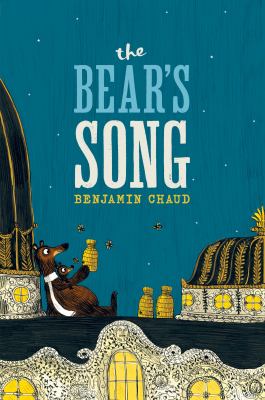
bearsThe Bear’s Song by Benjamin Chaud. Chronicle Kids, 2013.
From a library standpoint, this book is unfortunately annoying – its extra-tall size means that it won’t fit upright on shelves and might not get found, especially once it’s no longer on the new book shelf. The basic story is that little bear has run away, and papa bear is chasing him all through a large French city, ending at the opera house. The crowded pen drawings show lots of details, with humor for both kids and adults. It’s a puzzle to see who can find little bear hiding in the picture first – in some, we never did. The midnight blue cover didn’t attract my daughter initially, and we had it for a couple of weeks before she’d let me read it to her. Once we’d read it, though, she loved it, and asked for it repeatedly.
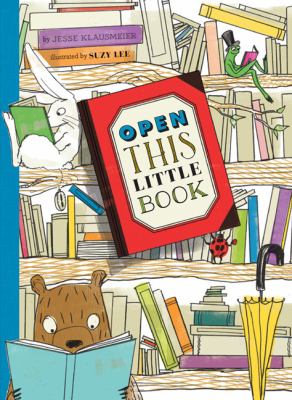
Open This Little BookOpen This Little Book by Jesse Klausmeier. Illustrated by Suzy Lee. Chronicle Books, 2013.
This is a nested story, short on words and high on charm. Pages cut to look like little books of ever-decreasing size tell the story of creatures of ever-increasing size opening their books, all forming a nice rectangular rainbow once opened. Both the four- and the nine-year-old succumbed to the charm, and the idea is simple enough that my daughter could and did go through it on her own over and over again.
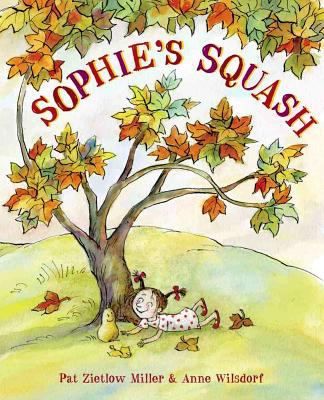
Sophie's SongSophie’s Squash by Pat Zietlow Miller. Illustrated by Anne Wilsdorf. Schwartz and Wade Books, 2013.
Sophie falls in love with the butternut squash her family brings home from the farmer’s market. Bernice is just the right size to hold and love, and her mother kindly decides to call for pizza when she discovers that dinner has developed a personality. But what to do when Bernice develops spots and starts to get squishy? This is a traditional story, rather than a concept book like the previous two, delightfully told with both heart and humor. I especially loved Wilsdorf’s characters with their large noses and unruly hair, so much friendlier and more human than the polished digitally-made illustrations that are popular these days.
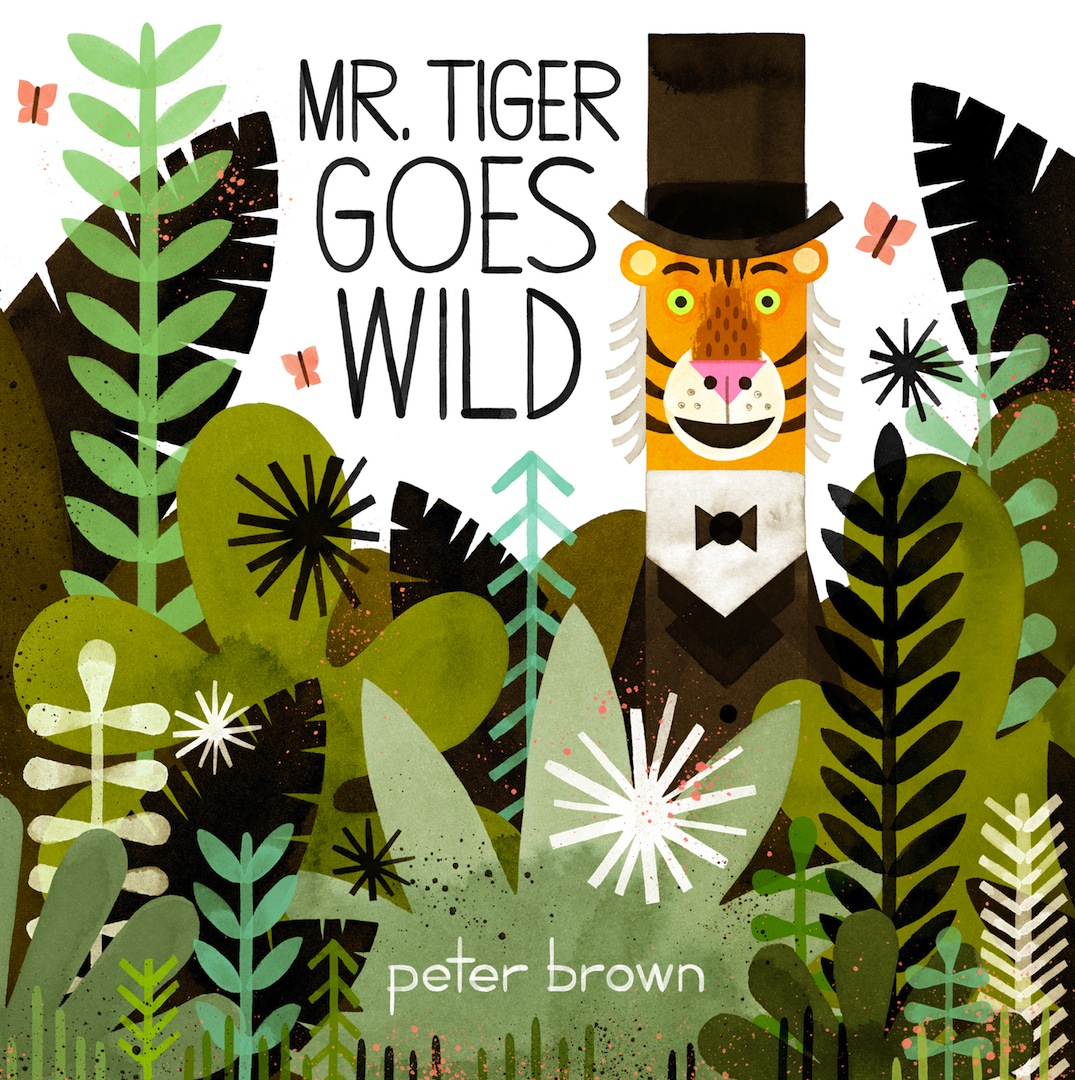
Mr. Tiger Goes WildMr. Tiger Goes Wild by Peter Brown. Little, Brown, 2013.
It’s a drab city landscape filled with animals walking upright and wearing formal 1910s clothing, all shown in grays and browns. Only Mr. Tiger is bright orange, and he is tired of wearing his stiff clothes and carrying on stiff conversations about nothing in particular with the other animals. Mr. Tiger decides that he needs to let loose a little – and then a lot. Over the course of the book, he – and eventually his friends – find a balance between wild and cultured. The message is a good one, and the build-up of all the animals in their formal attire makes the switch to otherwise unremarkably nude animals hilariously shocking. The pictures may not be as detailed as those in The Bear’s Song, but they convey an amazing amount of personality. It’s short enough for preschoolers, and funny enough for all ages.
Posted in books | Tagged , , | 1 Comment

Idiot’s Guides: Knitting

I’ve been a knitting addict for a while now, so I don’t normally check out introductory knitting guides. The KnitPicks podcast with Megan Goodacre, though, was enough to convince me that I should take a look at this one. I’m glad I did!

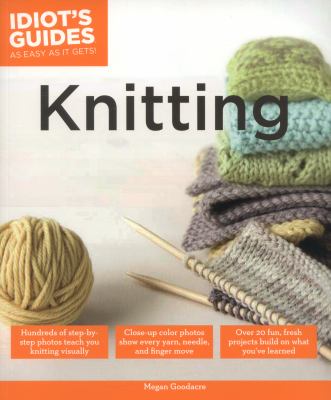
Idiot's Guide: KnittingIdiot’s Guides: Knitting by Megan Goodacre. Penguin Group, 2013.
Welcome, I guess, to the new Idiot’s Guide books. Not that I’ve looked at a lot of them in the past, but I have a vague memory of lots of text with some two-color line drawings. Not here! The instructions for knitting are explained in large, clear, step-by-step photographs, with the working bit of yarn highlighted red to stand out. Rather than starting with the typical scarf – which is boring and goes on way too long for a new knitter – Goodacre introduces each new skill with a tiny project, including a washcloth, coasters, a striped baby hat, leaves for shaping, a cabled headband, and a lace bookmark. The book is divided into beginning and intermediate skills, and each one includes a stitch gallery – encouraging knitters to start designing their own projects from the very beginning. The final section includes bigger projects, working up to sweaters at the very end. My favorite projects from this part included the striped baby jacket (matching the hat from the striping lesson), the simple raglan pullover, and the infinity lace scarf. (Ravelry tells me that the Friendly Critters are more popular.) It’s not surprising that it was featured on a KnitPicks podcast, as it uses KnitPicks yarn for all projects, though she describes the weight and fiber content first, so knitters can easily make their own substitutions.

There was a lot in here even for experienced knitters – it got used every time I took it to Knit Night – and even the tiny projects are charming. Even though I’ll always have a spot in my heart for the rebellious and snarky Stitch and Bitch by Debbie Stoller, this book will probably now be my go-to book to recommend to would-be knitters, as well as a handy reference for any knitter.

Posted in books | Tagged , | 2 Comments

Prince Caspian

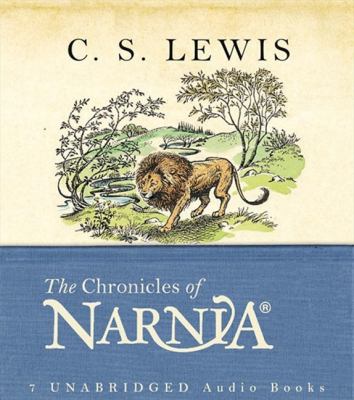
Prince CaspianPrince Caspian by C.S. Lewis. Read by Lynn Redgrave. Originally published by Geoffrey Bless, 1951. Recording from HarperTrophy, 2003.
Moving on with my listening to Narnia with the Boy, we come to Prince Caspian, my childhood favorite of the series, though I couldn’t say why. Maybe the lovely setting, in Narnian summer, and the romance of the deposed boy king trying to regain his throne?

Going back to it now, I still enjoyed it. I could perhaps wish that Lucy wasn’t quite so consistently upstanding, and that Susan was less of a wet blanket – really, especially as a person very often responsible for making sure that all the practical details are taken care of, I don’t appreciate Lewis making the character who attends to such details here so petty. But I still love Caspian’s journey through hidden Old Narnia meeting people, watching the Pevensies trying to meld their school selves and their old royal characters, and especially Lucy’s midnight dance with the trees. Here the difference between my tastes and my son’s show up – it turns out that he reads for plot, and expressed frustration at all of the descriptive passages where nothing happens. I had to tell him that Lewis’s ability to bring a strange landscape to life was one of his strong points as a writer, part of why I love his books so much. That probably won’t change his reading preference in the long term, though it introduced a libarianly discussion of appeal factors. The incident with Trumpkin and Aslan at the end also had me explaining the relevant bit of Christian theology, just so it would make sense. Religiously, it felt like a meditation on faith in Aslan in general and in a higher purpose in general, without such things getting in the way of a good story. The boy very much enjoyed the story, in spite of the complaints and the small bits that needed explaining. I’m pretty sure the battle scenes and the single combat were his favorites.

So far, the Narnia books have all been narrated by different people. I’ve yet to listen to one either that I hated or that I really felt did the story justice. Lynn Redgrave sounds like a mature woman with a slightly rough voice, more of Grandma reading the book than trying to bring it to life. I had no complaints with her accent, but her children all sounded a bit too young, still with oddly rough voices themselves. Sigh. Also, we’re having to wait on hold for each of the sequels, and had just started a second book-while-waiting when Dawn Treader came in. I’m not fussed about this – the stories aren’t so closely linked as to make it necessary to remember every detail from one book to the next, and we won’t get series fatigue the way we theoretically might from spending months on end on just one series.

Posted in books | Tagged , , | Leave a comment

Bookish Bucket List for Top 10 Tuesday

Top Ten TuesdayHere are book-related dreams, both likely and not, in the order in which they’re occurring to me, inspiration provided by the good people at the Broke and the Bookish for Top Ten Tuesday.

  • Catch up with all the authors and series I like and have fallen behind on.
  • Also catch up and stay caught up with my review writing.
  • Actually have time to read all the books that I hear about and want to. Right now, still hoping to get to the Sarah Zettel book I was given for my birthday in December.
  • Meet some of my favorite authors – right now Robin McKinley, Maggie Stiefvater, and Stephanie Pearl-McPhee would top that list.
  • Go to a sci-fi con. The local ones, where we have friends, would be lovely, though I hear BosCon is going to be extra-cool next year (see previous item.)
  • Go to Kid Lit Con, so I can meet my favorite book bloggers in person.
  • Read Robin McKinley and L.M. Montgomery to my children.
  • Be a Cybils judge.
  • Catalog Have my son catalog our home library (being hopeful here).
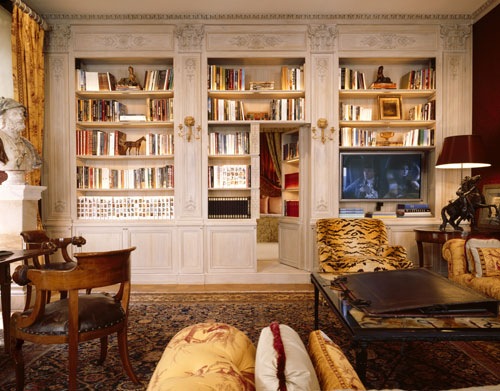
  • Build a secret passage bookcase in our house, such as those pictured here at Bookriot, or the one below from the hiddenbookcasedoors tumblr
  • secretbookcase

Posted in books | Tagged | 6 Comments

O.M.G. Am I a Witch?

I’m not going to write another review of it, but I’d like to note for the record that I recently finished reading Starry River of the Sky (which I’d bought last January) to the boy, who loved it. He hadn’t enjoyed the first one, Where the Mountain Meets the Moon quite so much listening to the audiobook, though I did – I don’t know if it was because he was too young for it a couple years ago, or if the beautiful pictures and snuggling together on the sofa are necessary to the proper enjoyment of these books. In any case, he chose The Princess and the Goblins to read together next.

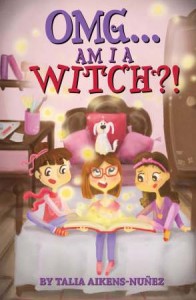
OMG...Am-I-a-WitchO.M.G. Am I a Witch? by Talia Aikens-Nunez. Pinwheel Books, 2013.
O.M.G. Am I a Witch? is a sweet and fluffy contemporary fantasy early chapter book. April had been having trouble with her big brother, Austin being mean to her. In desperation, she Googled “how to turn your brother into a dog” and found a spell – which worked! Now she has an even bigger problem: how can she turn him back into a person before her parents notice he’s missing? Naturally, the spell book that turned up on her first Google search doesn’t come back up again now. It will take serious plotting – even a sleepover – with her best friend Grace and the new girl at school, Eve, whose grandmother was a witch doctor in New Orleans, to solve the problems.

It’s a rare early chapter book that’s as fun for adults as it is for the target audience, so I wasn’t at all bothered at not losing my heart to this. In common with many others, this relatively short book still stretches out a short timeline with lots of breathless dialogue. It didn’t work especially well for me as a fantasy, because the first bit of magic happens before the story begins, and nothing else magical happens until the very end. It worked just fine as mostly regular fiction: the characters are believable, and the mean big brother getting a well-deserved comeuppance is very satisfying. Girls of about second grade looking for a story that’s mostly contemporary fiction with just a touch of magic will really enjoy this story. I read a review copy kindly given to me by the publisher in exchange for an honest review, and I’m now passing it on to my youth librarian in hopes that just such a girl will find it.

Posted in books | Tagged , | Leave a comment

Stolen Magic

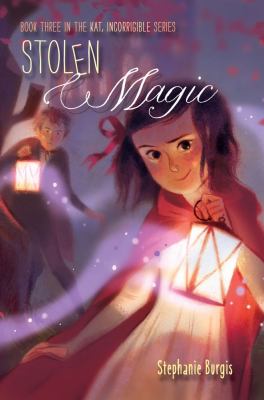
Stolen MagicStolen Magic. Kat, Incorrigible Book 3. by Stephanie Burgis. Atheneum Books for Young Readers, 2013.
This is the final book in the series – sniff! – though there is a free ebook-only short story and I have been hearing Ms. Burgis write on her blog about working on more short fiction starring Kat – hooray!

At any rate, this book picks up shortly after we left off (spoilers for the first two books are unavoidable.) Kat is trying to carry on in her usual manner, such as sneaking out at night to practice her magic where no one will notice. Unfortunately, her formerly dissipated brother Charles has reformed following the events of book 2, and now tediously feels it his duty to make Kat toe the line of propriety, as well. Angeline is about to get married, though she still dreads her future mother-in-law, Mrs. Carlyle. Kat is also supposed to be initiated into the Guardians at last, but this is put on hold when Problems arise. Naturally, Kat’s long-time would-be nemesis in the Guardians, Lady Fotherington, believes that Kat is behind this. When Kat finds multiple suspicious things happening around them – attempted murder, mysterious figures following her in the night – she tries to tell the truth, but as usual, no one will believe her.

As Kat’s family travels to the Carlyle’s home for Official Introduction to the Families, things only get worse. There is plenty of Interpersonal Drama, Excitement, Intrigue, and a new Romance – this time for Charles. It all comes together very satisfyingly, with character growth as well as plot resolution for multiple characters. Need I say more? The series finishes as it began, sparkling with wit and humor and a pleasing combination of plot and captivating characters, a perfect example of middle grade fiction that works well for kids through adults.

Posted in books | Tagged , , | 6 Comments

Spirit Singer

I was lucky enough to be sent to the Public Library Association conference in Indianapolis for a day last week – hence my posting silence! If anyone wants tips on the hottest nonfiction books for adults, animation maker spaces for libraries, or using social media to promote reading – let me know and I’d be happy to pass on my notes!

While in Indianapolis, Maureen of By Singing Light (who, like me, is a huge fan of Pamela Dean’s Tam Lin) was kind enough to meet me at my hotel and drive me to dinner when I arrived late and starving. Thank you so much for the lovely conversation, Maureen.

We now return to our regularly schedule book review…

Spirit SingerSpirit Singer by Edward Willet. Tyche Books, 2012.
Amarynth is an apprentice Spirit Singer, in a world where Spirit Singers must guide the spirits of the newly dead must be guided to safety in the afterlife. It’s important work that she’s proud to be doing, though she regrets how much it isolates her from the other people her age in her remote village. But when some youths on their coming-of-age sea voyage meet with bad ends, her grandfather and teacher is unable to guide them properly: there is a Beast in the Between World. Soon, Amarynth is on her own, and decides to journey to the capital to find out who or what is behind the Beast, as well as the bands of roaming Singers in black who are taking over local villages. On the way, she tries and fails to sing a dead baby home, so that she is haunted by her ghost for the rest of the trip. She meets two young men: the suspicious Kalar, who helps her out of host duty but who believes all Spirit Singers are charlatans, and the handsome and charming Prince Ramon, son of Ar-Naathon. While Ar-Naathon is clearly the Big Bad, Prince Ramon claims to be troubled by his actions and also seems to want to help Amarynth. Who to trust, who to trust? And also, how to solve the big problem?

This is a classic quest narrative, with the originality coming from the parallel journeys in the spirit and the living worlds. While a lot of the other elements felt very familiar, it was still a well-told story. I really liked Amarynth, determined to make things right despite being out of her depth in a place where many more experienced people had failed before. She was much more doing the job because it needed to be done and she was the only one left than the more typical One Foretold by Prophecy, which I very much appreciated. While there’s no sexual content, because of the basic premise, there’s a lot of death. I was somewhat disturbed that nearly all of the dead people were very young, ranging from babies up to first-time mothers, with nary an old person ready to go among them (Amarynth’s grandfather is the one possible exception that I remember here.) I think in general, though, that most teens are much tougher than me about these things, and should deal with it just fine, especially since most of the dead spirits are introduced that way, rather than characters we care about. At only 144 pages, it’s a good choice for reluctant middle grade and high school readers.

Spirit Singer was originally self-published in 2002, when it won the Regina, Saskatchewan Book Award, and then picked up by Tyche Books and re-published in 2012. Their editors were sharp enough to track me down (maybe based on my interest in musical fantasy books) and send me a copy in exchange for an honest review. This will now be headed towards my library’s teen librarian.

Posted in books | Tagged , | 4 Comments

Top 10 Picture Books

Top 10 Picture Books

Here’s an attempt at favorite picture books for Top Ten Tuesday, hosted by the Broke and Bookish. Top Ten Tuesday

It’s no longer Tuesday, and it turns out that the theme was really Top Ten Favorites of X Genre – but Cecelia over at the Adventures of Cecilia Bedelia put together an inspiring list of her favorite picture books. I put together this list of favorites yesterday, but didn’t quite manage to get it posted.

Picture books are a wonderful kind of book that can work better than any other for a broad range of ages – even books with texts written for the very, very young can be illustrated with details to keep the adult reading them interested. Picture books are some of the first books I started buying for myself in high school – I’d get my everyday reading from the library, but buy beautiful picture books to look at over and over again. These books are listed roughly in the order in which I’d introduce them to children, from babies to toddlers to preschoolers and early elementary-aged children, and includes books I remember from my own childhood as well as reading to my little brother, cousins, and my own children.

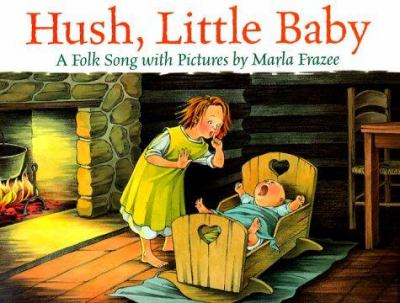
hushHush Little Baby illustrated by Marla Frazee. (1999) One of the very first books we bought our son because, even as a baby, he asked for it daily for weeks. Frazee tells a funny story of desperate parents and a slightly well-meaning big sister, set in historic Appalacia.

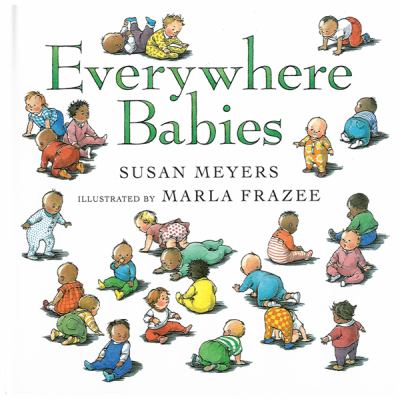
Everywhere BabiesEverywhere Babies by Susan Mayer. Illustrated by Marla Frazee. (2001) Beautiful rhyming text follows a diverse cast of babies through their first year. I could have put this one in my Tearjerkers list, too, because that first birthday party at the end gets me every time.

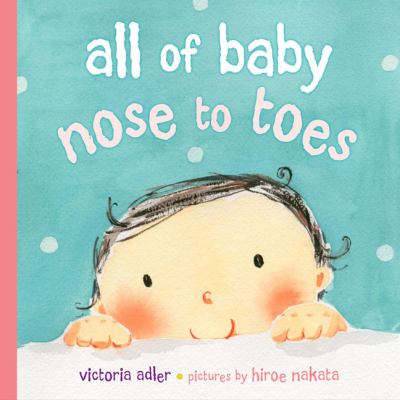
All of Baby Nose to ToesAll of Baby Nose to Toes by Victoria Adler. Pictures by Hiroe Nakata. (2009) Nakata is a favorite picture book illustrator, and this book is perfect for reading while cuddling with a baby.

eachpeachEach Peach Pear Plum by Janet and Allan Ahlberg. (1978) A charming book I’ve read to lots of small children. The text alone is simple enough for little ones, but the element of hide-and-seek makes it good for older ones, as well.

madelineMadeline by Ludwig Bemelmans. (1939) I don’t really need to explain this one, right? I had it memorized for a very long time from my little brother wanting it so often.

snowydayThe Snowy Day by Ezra Jack Keats. (1962) Another one that brings back fond memories from my childhood as well as reading with my own children.

knuffleKnuffle Bunny by Mo Willems. (2004) I think this was the book that introduced me to Willems. Though I love lots of his work, this is one we’ve read to bits and given as gifts.

threepigsThe Three Pigs by David Wiesner. (2001) My love and I bought this meta twist on the classic fairy tale for ourselves well before we had children, but they love it, too.

There Are No Cats in This BookThere Are No Cats in This Book by Viviane Schwarz. (2010) This is a more recent favorite – but when my children want a book renewed, and ask for it again months later, and it’s a hit read aloud both to preschool and 2/3 classes – you know it’s a solid picture book.

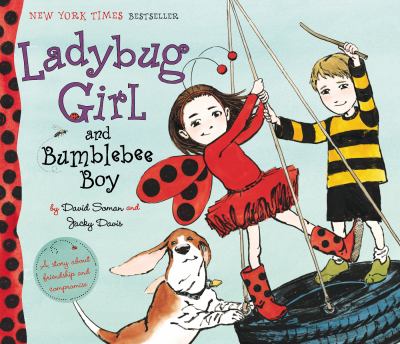
ladybugbumblebeeLadybug Girl and Bumblebee Boy by David Soman and Jacky Davis. (2009) This is another one we bought due to popular demand after borrowing from the library, and that was a hit with the classroom, too. In a charming blend of real life and imagination, Ladybug Girl and Bumblebee Boy find a superpowered way to find something they both want to play.

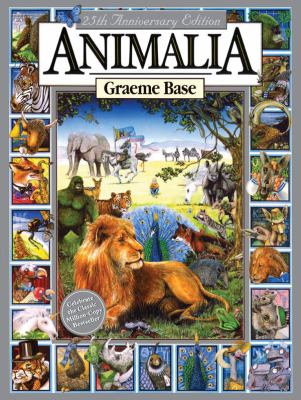
animaliaAnimalia by Graeme Base. (1987) I bought this for myself a long time ago, when I was supposed to be too old for picture books. Base’s gorgeously paintings for each letter of the alphabet are so detailed that I spent hours looking at them, but the text aimed at more traditional alphabet audiences is a lot of fun, too.

littleredridingLittle Red Riding Hood by Trina Schart Hyman. (1983) This is my first favorite illustrators. The pictures are beautifully composed and detailed, but the people have such believable expressions, and there’s usually a cat or a small child looking directly out at you to draw you into the picture. Here, Little Red is completely believable as a four-year-old almost old enough to carry out an errand without getting distracted. This particular book has been a favorite with my children, but it’s also symbolic of the many other beautifully illustrated fairy tale picture books I’ve read and added to my personal library over the years. Maybe next time a list of favorite fairy tale picture books!

What are your favorite picture books? Or which genre would you choose to do a Top 10 of?

Posted in books | Tagged , , | Leave a comment

Gideon Smith and the Mechanical Girl

Oh my goodness! It’s been six months since I’ve reviewed a steampunk novel – it’s time for another one!

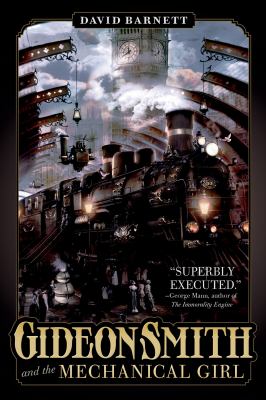
Gideon Smith and the Mechanical GirlGideon Smith and the Mechanical Girl by David Barnett Tor, 2013.
Gideon Smith is a young man addicted to the penny dreadfuls, especially the “true stories of Captain Lucian Trigger, hero of the Empire, as told to his companion John Reed.” Captain Trigger travels all over the world, including the far-flung outposts of the British Empire in North America and India, among others. When Gideon’s father is lost at sea in mysterious circumstances, and a young boy of his acquaintance draws a picture of a monster he claims to have seen that matches exactly the description of one that Captain Trigger once encountered, Gideon decides that there’s nothing left for him in his little fishing village. He sets off to find Captain Trigger himself, to enlist his aid in solving the mystery. On the way to London, he meets Maria, a beautiful clockwork girl whose master is missing and who is being mistreated by the serving staff, who don’t recognize her human-like intelligence.

Meanwhile, Bram Stoker is in Gideon’s home village, trying to overcome a bad case of writer’s block. There he meets vampire Countess Elizabeth Bathory, who is seeking revenge on her husband Dracula’s killers. She believes them to be ancient Egyptian frog monsters, the Children of Hequet.

Gideon’s illusions are shattered when he learns that Captain Trigger isn’t the hero the papers make him out to be – indeed, he’s a broken shell of a man, hoping against hope for the return of his lover, John Reed. Even so, Gideon seems to have the charisma to attract a motley band of people to track down John Reed in hopes that his disappearance will hold some clues to the mysteries that Gideon is investigating. In addition to the characters already mentioned (minus the little boy), it includes the foul-mouthed reporter Aloysius Bent, hoping for a career-saving story, and famous sky pilot Captain Rowena Fanshawe.

The one troubling thing in this book was that while it seemed on the surface to espouse modern sexual values (and there was no explicit sex in the book), the only named “good guys” to die (spoiler alert!) were those who engaged in less traditional sexual activities. As in, heterosexual activity in or out of marriage is OK, but homosexuality or a down-on-her-luck street girl turning to prostitution in times of extreme need, not so much. The deaths in the story all had other, more obvious reasons, and I felt like Barnett thought he was demonstrating the open-mindedness of his steampunk empire when writing the story – but as the only factor linking multiple deaths, the effect was rather the opposite.

On the whole, though, while it took a couple of chapters for me to feel fully engaged with the story, once it got going, I very much enjoyed it. The colorful characters and over-the-top adventures involving sky pirates and mysterious monsters, with a touch of romance, made for a rip-roaring tale with all the elements a satisfying steampunk story needs.

Posted in books | Tagged , | Leave a comment

Guest Post: Martin Berman-Gorvine

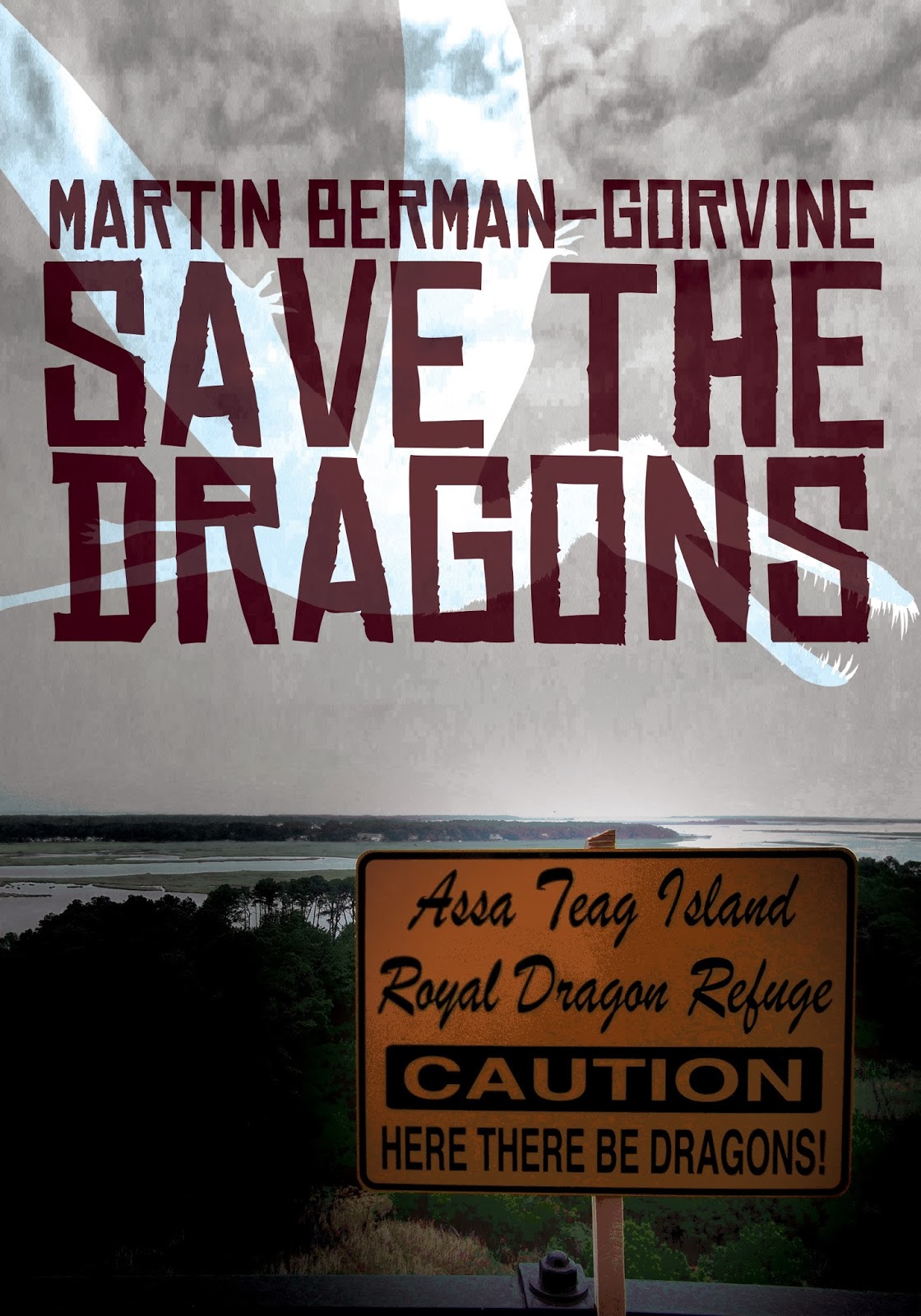
Today I have a guest post from Martin Berman-Gorvine, author of Seven Against Mars and Save the Dragons, talking about Save the Dragons and its upcoming sequel. Welcome, Martin!

martinprofileAnyone who has ever walked into the dusty but magical confines of a “used” bookstore and chatted with the erudite, eccentric owner while stroking the shop’s obligatory cat will instantly grasp the primary source of inspiration for Save the Dragons. Aren’t such places really gateways to other worlds, other ways of thinking and being? For Teresa D’Angelo, who is a lonely and unpopular teenager as so many of us are or vividly remember being, the mysterious appearance of Gloria’s Gateway Books in the familiar, dreary streets of South Philadelphia starts out as such an escape, with a secret back room that offers an enchanted entry to a strangely transformed world—one where dragons are a familiar but endangered species and America is the seat of a British Empire whose skies are crowded with airships and whose roads teem with “electric carriages” invented more than two hundred years ago by “Sir” Ben Franklin.

But as the writer Delmore Schwartz once observed, in dreams begin responsibilities, and Gloria, the sometimes-redhaired lady, sometimes-orange tabby cat owner of the bookstore, has a private agenda when she helps Teresa make the passage between worlds: to arrange for her to meet Tom Purnell, a teenager from the parallel world’s version of Chincoteague Island, home of the wild ponies and, on that side of the gate, also of one of the last remaining dragons as well as of a research station sponsored by His Majesty’s Government where Tom’s father works with colleagues to crack the secret of heavier-than-air flight before the rival French Empire. Together Tom and Teresa must figure out why no dragonets have been born anywhere in years, and rescue Tom’s father from dastardly French kidnappers.

Save the Dragons

In a sequel that is now nearing completion, Gloria has moved her magical bookstore to Chincoteague Island and established contact with yet another parallel world—one where only paranoid crazy people think that UFOs aren’t real, because everyone remembers how “The High Ones” arrived on the Moon at the same time as the Apollo 11 astronauts, helpfully deposited Neil Armstrong and company on the South Lawn of the White House, and brought peace and prosperity to the world. Of course there’s a catch—isn’t there always? You see, the High Ones, who look like a cross between giant starfish and something out of the Burgess Shale, like stability in government, so twenty-first century America still has a president whose name rhymes with “Blixen.” Also, children are strip-searched before they can go to school, because some people don’t like the way the High Ones are running things and have taken to expressing their discontent explosively. Jo Purnell, Tom’s younger sister from British Imperial America, must help her new friend Arnold Grossbard from the High Ones’ America figure out whether and how to fight the alien menace.

Now, because writers aren’t exactly like that other kind of magician who never give away their secrets, I’ll let you in on one vital wellspring of imagination. It can be summed up in one word: READ. Read everything and anything. Among the books that helped inspire Save the Dragons and Heroes of Earth (the working title of the sequel) are some obvious ones like Madeline L’Engle’s A Wrinkle in Time and C.S. Lewis’s The Lion, the Witch, and the Wardrobe, but also Rachel Carson’s environmentalist classic Silent Spring and Garry Wills’s contemporary account of the end of the 1960’s, Nixon Agonistes. You never know what convoluted wiring will close the circuit and turn the light bulb on.

Posted in books | Tagged , | Leave a comment