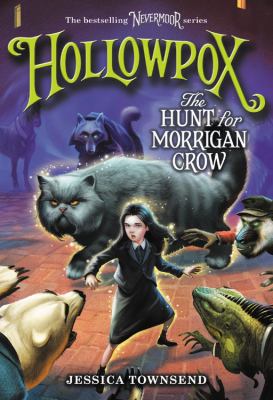
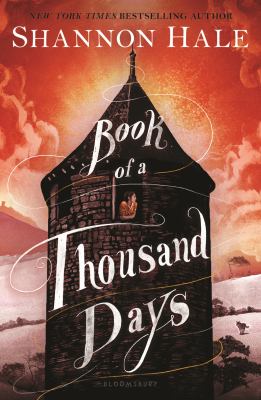
In celebration of my 20th blogiversary, I’m reblogging the posts that have gotten the most views in the time they’ve been published. From here to the top spot, the rest of this list of top posts are all book lists (which perhaps means I should devote more of my time to lists and less to individual book reviews.) I put together a lot of lists of books available without in-person library access when I was working from home in 2020, and these as well as a couple of older ones continue to get regular hits. 10 Great Fantasy Audiobook Series for Kids on hoopla came close to making the list with 357 lifetime hits, but this one for teens beat it out with 606 lifetime hits, or 152 a year.
In celebration of my 20th blogiversary, I’m reblogging the posts that have gotten the most views in the time they’ve been published. Here we have #9, a post that has gotten regular hits every year since I published it in 2014 – 1,459 as of this writing, for an average of 146 a year. My personal love for these books has not diminished over time, either. I listened to them separately with both of my kids, and the ELL book club I facilitate at my library really enjoyed it as well.
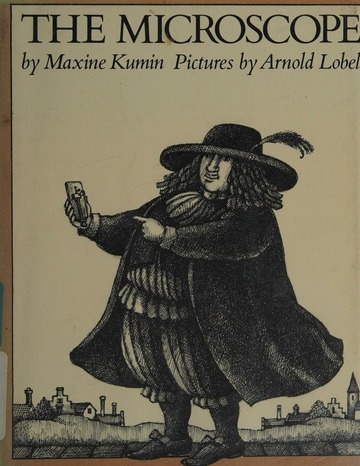
In celebration of my 20th blogiversary, I’m reblogging the posts that have gotten the most views in the time they’ve been published. Here’s #10, the book of the poem The Microscope by award-winning poet Maxine Kumin. This is the only post still getting hits from from the top 10 list I created for my tenth blogiversary. It has 1659 lifetime views as of this writing, for an average of 138 views a year. I first read this poem in Cricket magazine, but I’m guessing that most people remember it because it was a Reading Rainbow book.
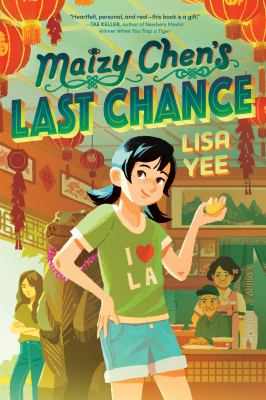
In celebration of my 20th blogiversary, I’m reblogging the posts that have gotten the most views in the time they’ve been published. Here is #11, Maizy Chen’s Last Chance. With just 202 lifetime hits, this is not at the top of the list for overall hits. However, since I only wrote the post a year and a half ago, it’s quite a respectable showing! I really enjoyed this book, and I’m so glad to see that people are continuing to look for it.
Hello, dear readers! As requested, in honor of my 20th blogging anniversary, I’m reblogging my top posts. Rather than going with the posts with the overall highest hits, I’m going with the ones with the highest hits by age to even out the recent popular ones. This post, first published on June 30, 2020, has gotten 415 views in the about 4 years it’s been in the world, for about 104 views per year.
This year, especially with my most graphic novel-loving kid still home on break when the finalists were announced, I decided to check all of the middle grade graphic novel finalists out at once. While they’re all excellent books, since you can read the full blurbs on the Cybils site and I have an enormous backlog of books I want to share with you, I thought I’d try doing super-short reviews here. Let me know what you think!
First Time for Everything by Dan Santat. First Second, 2023. ISBN 978-1626724150. Read from a library copy. The summer before high school, Dan joined a class trip to Europe filled with firsts that changed his life. It doesn’t shy away from even the parts that seem shocking now. Dan Santat previously won the Caldecott Medal and this book won the National Book Award for Young People – it shows. This spoke especially to me, as it was not so many years later that I first went to Europe myself – but the spirit of allowing oneself to explore the inner world at the same time as the outer is one that still resonates today.
Frizzyby Claribel Ortega and Rose Bousamra. First Second, 2022. ISBN978125025622. Read from a library copy. Marlene has been forced to take boring and humiliating weekly trips to the salon to get her hair straightened ever since her mother decided she was old enough to be a young lady. With encouragement from her best friend Camilla and help from her beloved Tia Ruby, Marlene learns how to embrace and care for her curls. Even though this focuses closely on the hair, exploring how Marlene is treated by family members and at school shines a light on the deep beliefs about hair both in Latinx and broader American cultures. My kid read this one twice.
Lo and Beholdby Wendy Mass. Illustrated by Gabi Mendez. Random House Graphics, 2023. ISBN 9780593179635. Read from a library copy. Addie’s stubbornly stayed on her own, abandoned by her friends since her mother’s serious health issues. She’s uninterested when her father moves them to a college campus for the summer, where’s he’s working on virtual reality. At first she rebuffs the friendly advances from the only other kid her age on campus, Mateo – but gradually allows him in and comes up with ideas to extend the use of AI. This deals gently with the damage an addiction in the family can cause, while staying rooted in the perils of developing friendship and the excitement of the new technologies. The art bursts from straightfoward panels into exuberance as the lines of reality are blurred with the VR. This was my kid’s second favorite of the batch, read at least three times.
Things in the Basementby Ben Hatke. First Second, 2023. ISBN 9781250836618. Read from a library copy. Ben Hatke’s beautiful art style and creative imagination are on full display in this minimal-text graphic novel. A young boy, coded as Afro-Latino, moves into a big Victorian house with his mother and twin baby siblings. When a baby’s sock goes missing, he follows the critter who’s stolen it into the basement – finding layer upon layer of hidden rooms filled with one adventure after another. The shadowy watercolor art in muted tones really enhances this secret world. Beings kind and malevolent, and adventures both exciting and terrifying, fill the world of the basement. This is one I wanted everyone else in the family to read.
Mexikidby Pedro Martín. Dial Books, 2023. ISBN 9780593462287. Read from a library copy. This is a rich addition to the catalog of graphic memoirs for kids. Here, the author shares his story of growing up in a large Mexican-American family in the 70s and the summer they drove from California down to Mexico to bring his grandfather home. The drawings and colors bring the places and time vividly back, while family tragedies are balanced with hijinks and truly kid-friendly disgusting things. (Read the review at a Fuse #8 Production for many more details!)
Dungeons & Dragons: Dungeon Club: Roll Call. by Molly Knox Ostertag, illustrated by Xanthe Bouma. HarperAlley, 2022. ISBN 9780063039247. Read from a library copy. Can D&D save the middle school experience? Jess and her best friend Olivia have been playing just the two of them for ages, where Jess plays the brave lone knight Sir Corian. Now Olivia wants more people to join the campaign – but Jess, who doesn’t fit gender norms well enough to fit in socially in general, is afraid. Maybe her safe space will be destroyed, or maybe having someone even lower on the social ladder than she is join will make her a target again. Scenes in middle school alternate with the unfolding D&D adventure – complete with an art style shift – in a story that works well on multiple levels. This was my D&D-loving kid’s absolute favorite of the whole list, one they read at least half a dozen times before we returned it.
Saving Chupieby Amparo Ortiz. Illustrated by Ronnie Garcia. HarperAlley, 2023. ISBN 9780062950284. Read from a library copy. Violeta Rubio loves her abuela and is excited to go to Puerto Rico for the first time to help restore and reopen the restaurant that her Abuela ran before the hurricane. She’s disappointed and bored when her family refuses her help, and disgusted when the only kids her age she meets are interested in looking for the legendary chupacabra – who would believe those fairy tales? But when Violeta actually finds an adorable baby chupacabra, she’ll do anything in her power to keep it safe. Can she bring herself to trust her new friends enough to help?
I started this blog Livejournal quite casually, just posting short summaries of books I’d read for my existing online friends, with no concept of trying to build an audience. It’s rather astounding to find myself still here 20 years later, still not great at self-promotion, but with a broader audience, more in-depth reviews, and having discovered so many like-minded people through book blogging and the Cybils Awards! Thank you so much to all of you who make up this book-loving community!
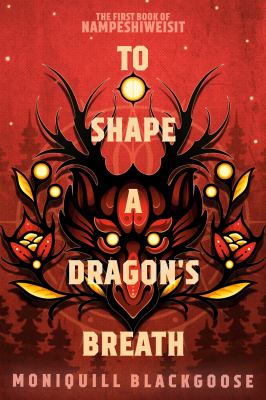
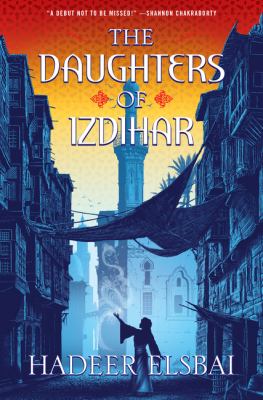
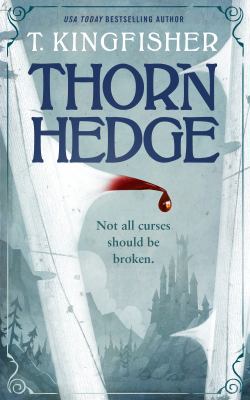
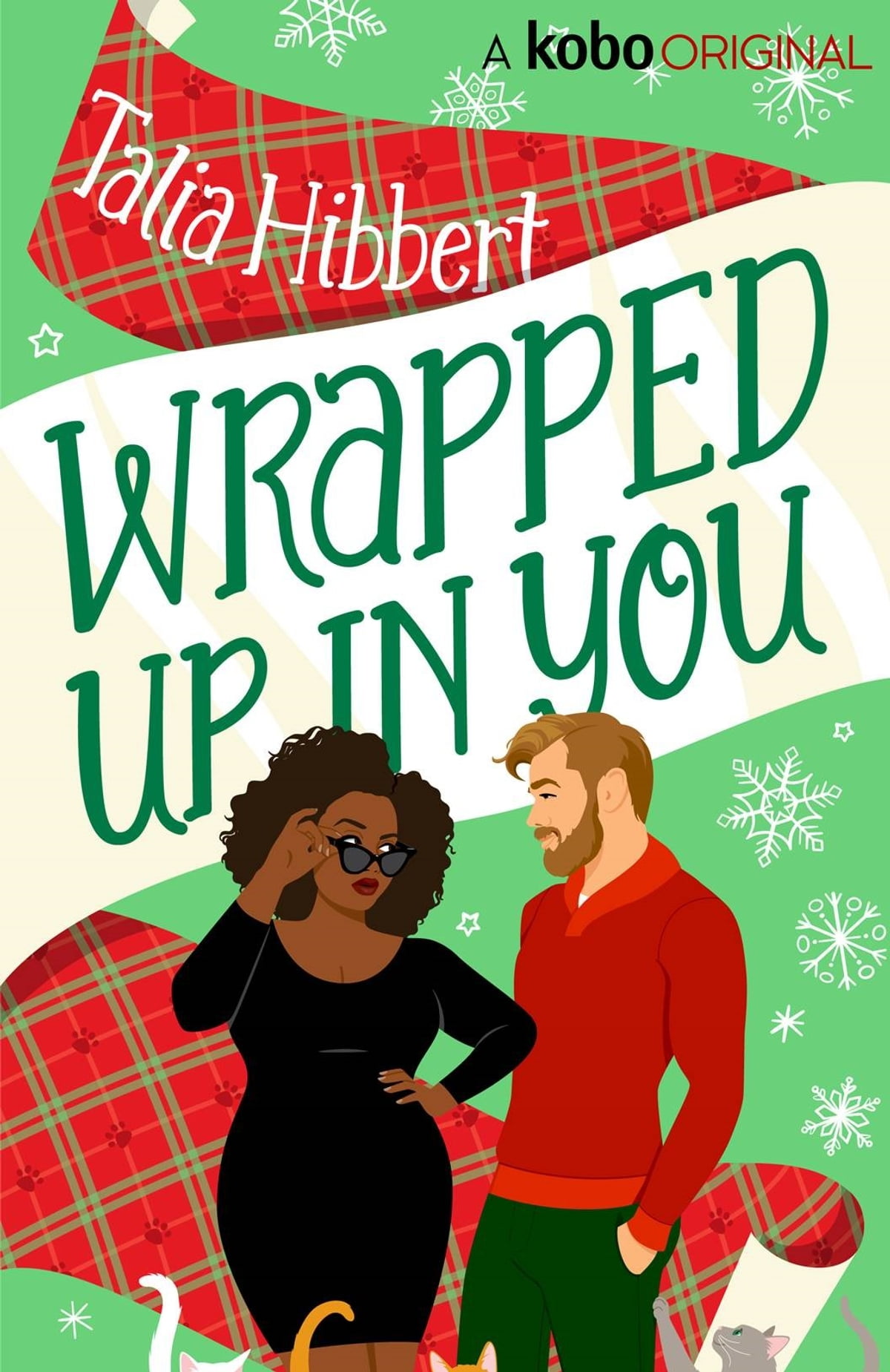
Here is my annual list of books that I rated at 9 or above. I rate most books I really enjoy as 8, but since that list would be over 100 books, I feel the need to limit myself. I do find it very curious that I rated so many more of my adult reads highly than my middle grade reads – maybe I’m just more critical of the middle grade because I read more of it, or because I’m trying to evaluate things for the Cybils even when I’m not reading directly for the awards? And despite this, I reviewed only two of those adult favorites, and none of the teen favorites. In any case, here is a small selection of the books I loved last year.
Here is my standard disclaimer about rating books:
“I have never liked doing a public scale rating of books – the librarian in me would rather describe what’s in the book and let you decide if it sounds good for you. But I do give books number ratings on my own private spreadsheet. I shamelessly borrowed the Book Smugglers’ 10-point rating system for this, where 0 is “I want my time and my money back”, 5 is “meh” and so on. For my purposes, 7 is a book I enjoyed, 8 is one I loved and 9 is one I really, really loved. 10 only gets given out retrospectively to books I find myself re-reading and thinking about a lot – a true personal classic.”
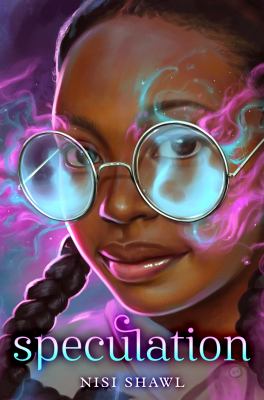
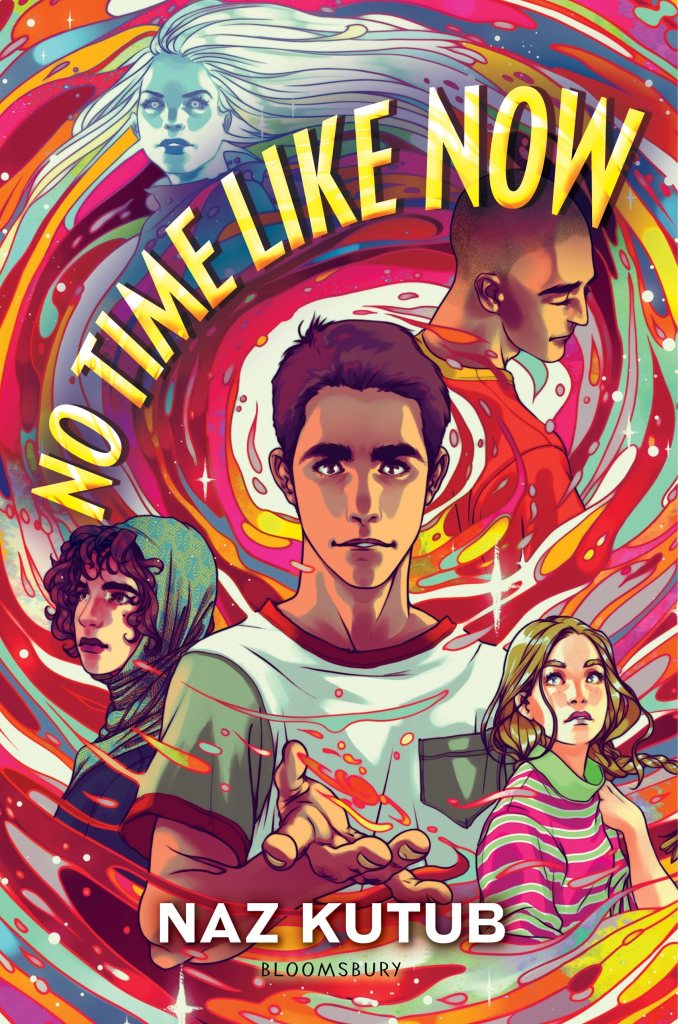
16-year-old Hazeem has spent this year following his father’s death wallowing in depression, getting out of bed to make sure his mom eats and to visit his grandmother. His grief has given him a superpower – adding years to people’s lives. He’s used it to add years to his hamster, Mary Shelley – his only remaining friend now that he’s saved the lives of his three former best friends, and now none of them will talk to him anymore.
When he tries to save the life of one more beloved person, Time shows up with a golden chronosphere, wearing an orange jumpsuit and looking like a young Sandra Bullock. They say that he’s now given away more years than he has and is about to end the world if he can’t take them back from someone. Though Time wants Hazeem to make a quick and easy choice, Time also has no sense of what it means to be human and why Hazeem cares to much. Surely if Hazeem visits his friends in the past, it will both help him to figure out what to do and help Time to understand him. With Mary Shelley in her hamster front-pack, they set out to look at the past and potential futures. These are moments he’d rather never think about again – the embarrassing scene where Hazeem confessed his love to his long-time crush, and separate averted tragedies with his overly-sheltered friend Holly and his proudly nonbinary friend Yamany, whom I pictured looking like a brown Jonathan van Ness.
For those who are fans of time travel – for most of the book, Hazeem is watching the past and brief glimpses of futures without being able to change anything, though there is a bit of him trying one day multiple ways. There are a lot of enormous, hard feelings here – and lots of Hazeem realizing that he really wasn’t as great a friend as he thought he was. While there is a lot of sadness, I appreciated that neither he nor his friends were perfect, all of them finding ways to reach for their true dreams and selves. Time’s goofiness and little Mary Shelley keep the book from wallowing as much as Hazeem does at the beginning. The ending is cathartic and hopeful. This is perfect for teens looking for stories of real people with a semi-magical push towards solving their problems.
Every year since 2014, I’ve tried to do an audit of my reading, as well as a list of my favorite books of the year. It’s my way of keeping myself accountable,
2023 Overview
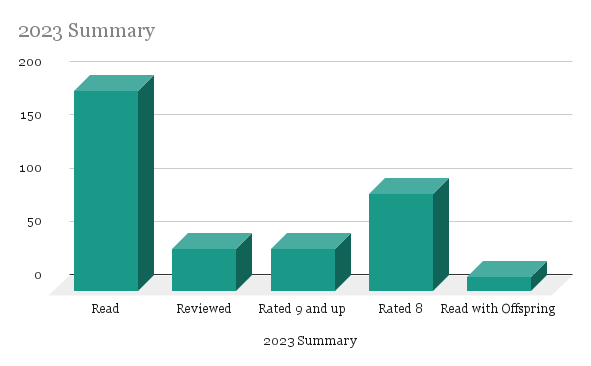
I read 187 books in 2023. I reviewed 39 of them, rated 39 of them 9 or above (not the same ones I reviewed, though!), 91 of them 8. I listened to 13 books with the one teen who will still has regular car time with me.
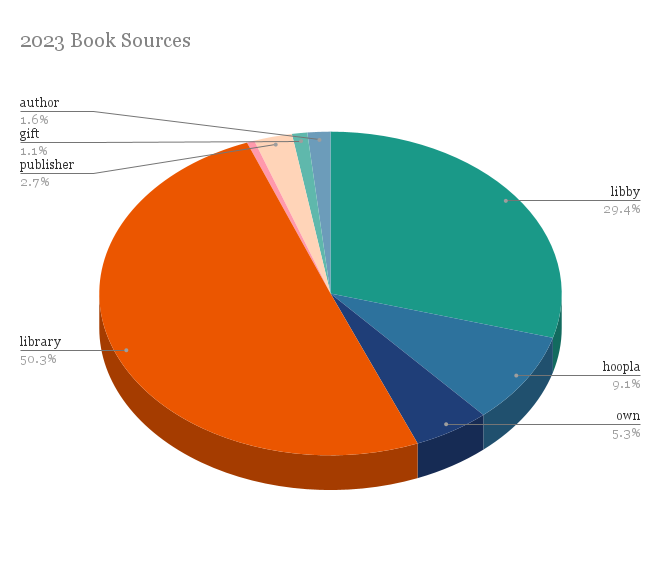
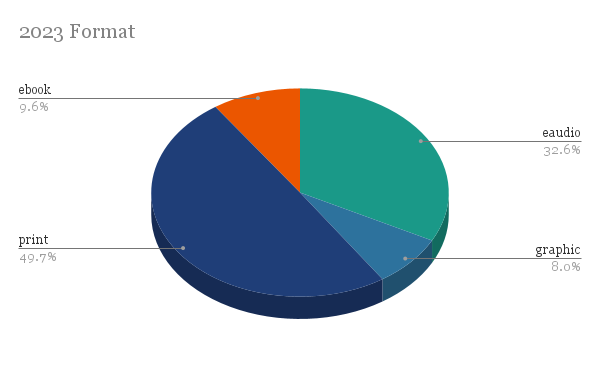
This is my third year splitting out the digital library loans (Libby and hoopla) from the physical books. My total library reading including those was 88.8%, up 9% from last year. I accepted a lot fewer review copies this year – apologies to the many authors whose offers I turned down due to feeling overwhelmed. The big change from last year is audiobooks, which jumped up from 24% to 33%. Ebook reading also made a slight gain.
What I Read
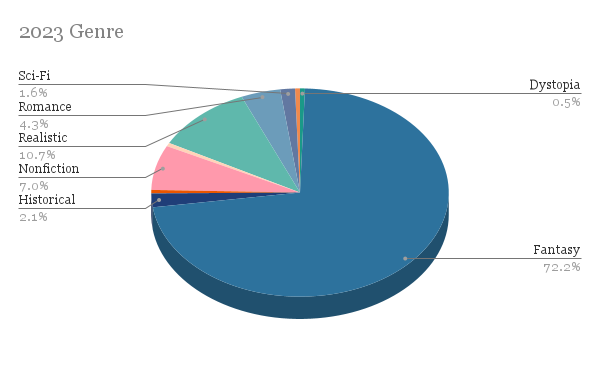
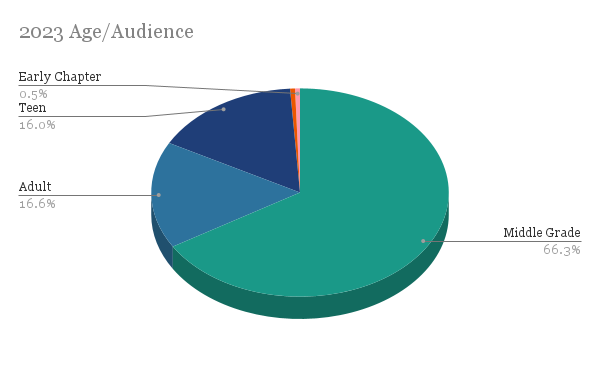
I read even more fantasy than usual last year! It’s probably because I did the Cybils summer reading group.This is nearly the same as last year. Once again, I didn’t track my picture book reading.
The Authors
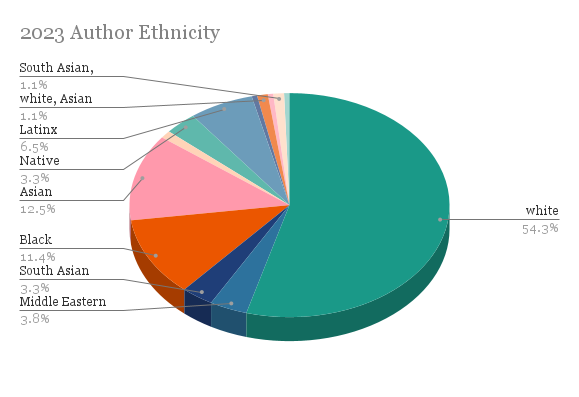
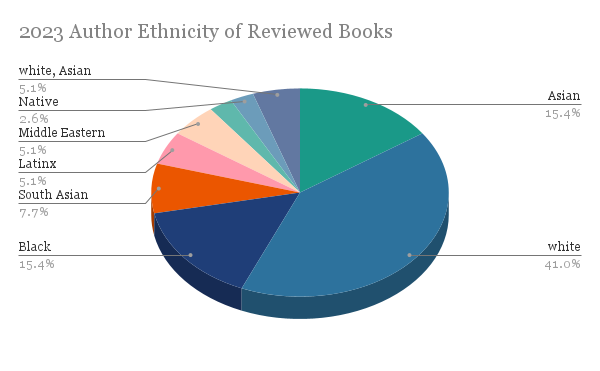
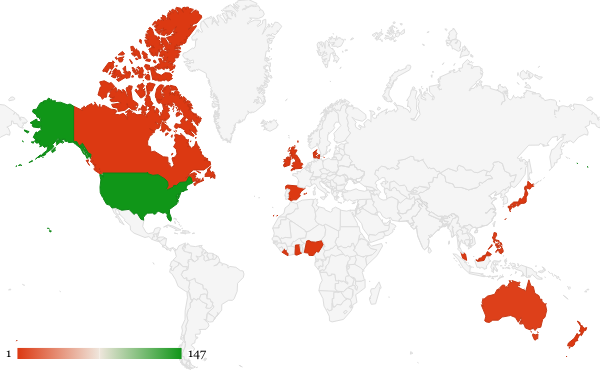
Hey, a 1% increase in reading by authors of color, two years in a row! My reading of Native and Middle Eastern authors was finally large enough for Google sheets to give them labels. Just for comparison, since most of you only know about the books I share here. Just for fun, a map of where the authors are from – 14 different countriesA slight increase in reading of books by both female and nonbinary authors. The tiny unlabeled slices are multi-gender author partnerships.
The Characters
White characters are down to 38% of my reading from 43% in 2022, if still higher than my all-time low of 34% in 2020.I tried yet another way of tracking other character diversity this year, with mixed results. I counted religion if the MCs practiced any religion besides Christianity, Economic if they were low income, Ability for both physical disabilities and non-neurotypical characters. I’ll note that there are a lot of people struggling to make ends meet in fantasy books.
I’ve been doing these graphs for ten whole years now – here they are from 2022, 2021, 2020, 2019, 2018, 2017, 2016, 2015, and 2014. I think I should do some sort of retrospective! As always, if you know of any middle grade or teen books, especially fantasy books, that would help me round out the diversity of my reading, please let me know! And if you have thoughts on these stats or other things you’d like to see, let me know in the comments.







 alibrarymama