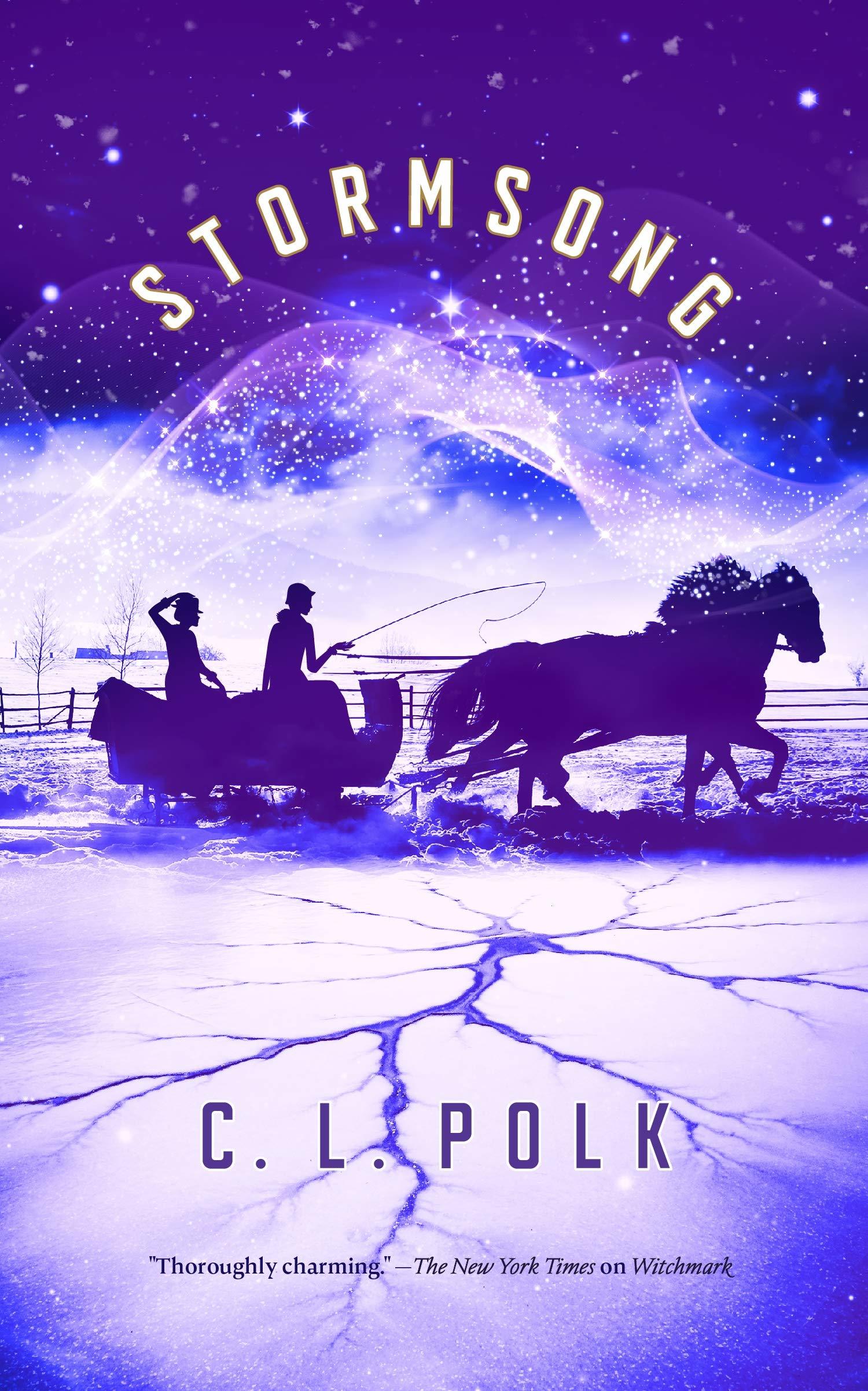
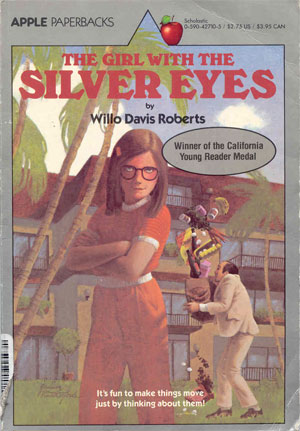
I had so much fun with this topic in the spring, and again now looking at what my friends are planning to read, that of course I had to participate in this week’s Top 10 Tuesday, hosted as always by the dedicated readers at the Broke and the Bookish. 
I spent so much time mulling over this list and trying to find to find some good diverse titles, especially diverse fantasy or science fiction titles, that my Top 10 Tuesday list is now being published on Wednesday. News flash (surprising, I know): I did not find very much in the way of diverse sf/f in middle grade especially, and what is there is hard to find. If you know of any coming out yet this year, please let me know!
Middle Grade
The Ninja Librarians: Sword in the Stacks by Jen Swann Downey (June 8) – I liked the first in this series, and Charlotte says the second is even better, with diversity throughout the cast if not the main characters and lots to think about underneath the action.
The Treasure of Maria Mamoun by Michelle Chalfoun (July 12) – via Ms. Yingling. It looks like character-driven mystery rather than fantasy, with a heroine of Lebanese extraction.
Towers Falling by Jewell Parker Rhodes (July 12) – a new one by Cybils finalist author.
The Left Handed Fate by Kate Milford (August 23) – It’s Kate Milford. It looks like a book I’d want to read even if I didn’t already know Kate Milford’s work.
The Creeping Shadow (Lockwood and Co. #4) by Jonathan Stroud (September 13) – continuing adventures!
A Little Taste of Poison by R.J. Anderson (September 27) – more continuing adventures!
When the Sea Turned to Silver by Grace Lin (October 4) – This one I might even buy, even though I know the library will have it, as we love Grace Lin so much in my house.
Disenchanted: the Trials of Cinderella by Megan Morrison (October 11) – I was charmed by Grounded last year.
Teen
The Poisoned Blade by Kate Elliott (August 16) – I just finished Court of Fives – yet to be reviewed, but I’m happy the sequel will be out soon!
Bright Smoke, Cold Fire by Rosamund Hodge (September 27) – I have been anxious for this one, a Romeo and Juliet re-telling, for a while now.
Of Fire and Stars by Audrey Coulthurst (November 22) – A brand-new author for me – high fantasy with a romance between two princesses. Count me in!
Spindle by E. K. Johnston (December 6) – It says it’s a companion novel to A Thousand Nights – so maybe Sleeping Beauty in an Arabic setting? It will be good, whatever!
Honorable Mention
What are you looking forward to reading?


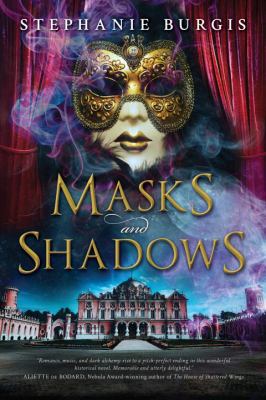 Masks and Shadows by Stephanie Burgis
 Kindred Spirits by Rainbow Rowell. Macmillan (UK), 2016.


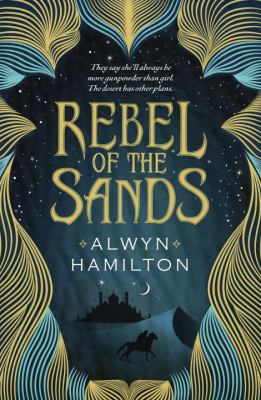 Rebel of the Sands by Alwyn Hamilton. Viking, 2016.
 Something Like Love by Beverly Jenkins. Avon, 2005.


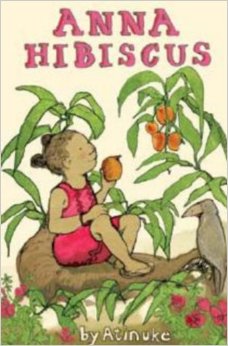 Anna Hibiscus by Atinuke. Narrated by Mutiyat Ade-Salu. Walker Books, 2007 (UK) Kane/Miller, 2010 (US). Recorded Books, 2012.
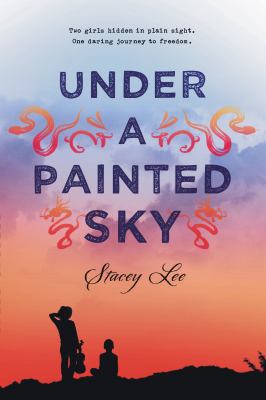 Under a Painted Sky by Stacey Lee. G.P. Putnam’s Sons, 2015.


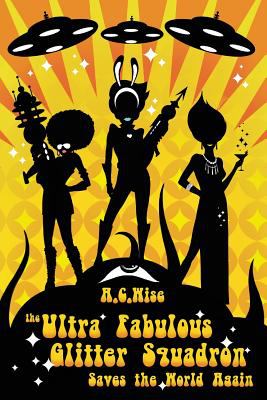 The Ultra Fabulous Glitter Squadron Saves the World Again by A.C. Wise. Lethe Press, 2015.